Exploring America's Past at the National Ballpark Museum
The National Ballpark Museum provides a unique glimpse into America's baseball legacy. Through its assemblage of memorabilia and exhibits, visitors can discover the sport's evolution alongside societal transformations. Legendary jerseys and uncommon photographs tell narratives of icons and their impact on the game. As groups interact with hands-on exhibits, they discover how baseball stays intertwined with American culture. What insights might this museum unveil about the tomorrow of the sport?
The Remarkable Chronicles of Baseball in America
Baseball, frequently described as America's national sport, has a storied history that connects closely with the social fabric of the nation. Developing in the mid-nineteenth century, the sport rapidly rose to prominence, demonstrating National Ballpark Museum entrance fee the cultural shifts and distinctive identities of the era. The creation of major competitive circuits changed baseball into a foundation of American entertainment, with the National League forming in 1876 and the American League following in 1901.
Major moments, such as the integration of baseball in 1947 with Jackie Robinson, represented considerable cultural shifts, resisting societal norms and promoting civil rights. The game has also observed celebrated figures, from Babe Ruth to Hank Aaron, whose impacts echo beyond the diamond. Iconic ballparks have held countless memorable moments, fostering a communal experience for fans. Overall, baseball functions as a mirror of American history, encapsulating triumphs, struggles, and the enduring spirit of a nation united by its love for the game.
Legendary Baseball Artifacts You Can't Miss
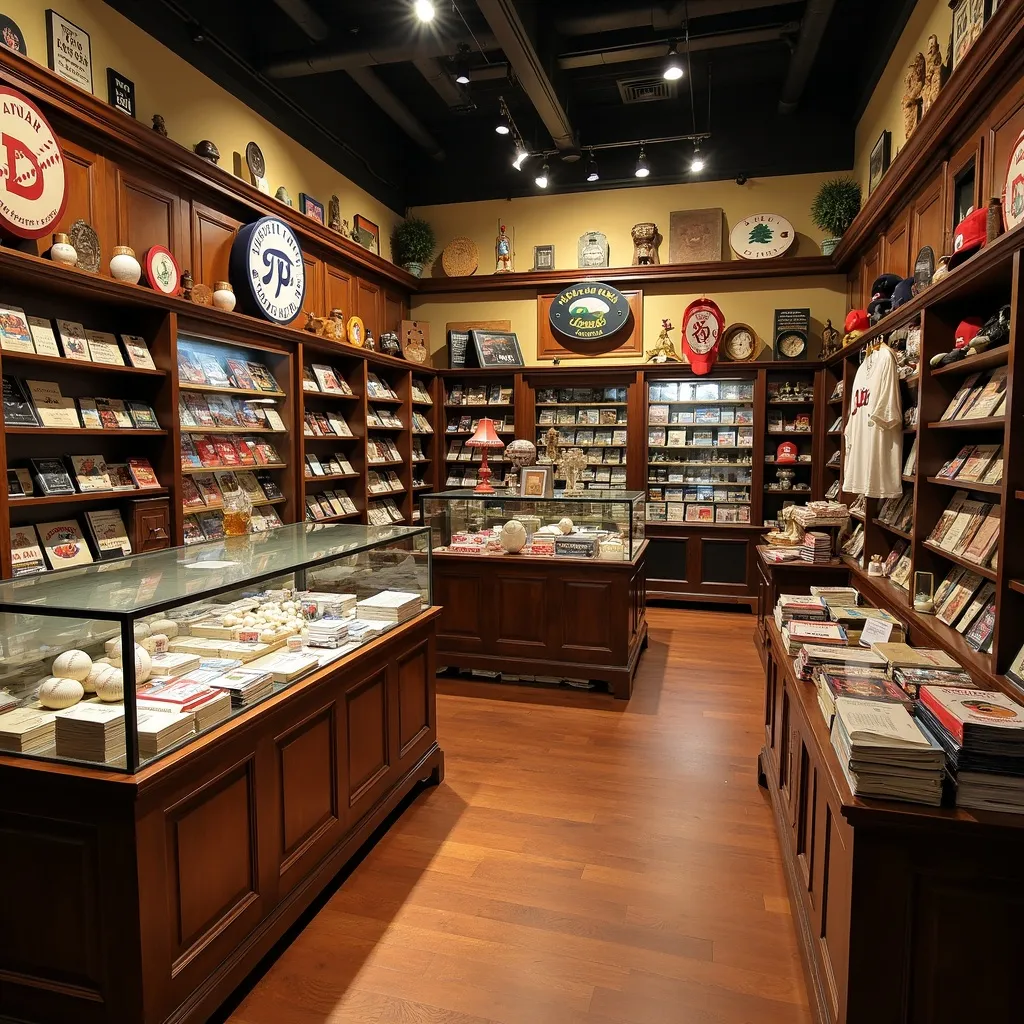
While impressions of memorable contests and historic occasions linger in the minds of fans, iconic baseball memorabilia serves as tangible connections to the sport's celebrated legacy. The National Ballpark Museum houses an striking selection, featuring items that convey the essence of baseball's antiquity. Visitors can marvel at classic garments worn by Hall of Famers, each thread telling a story of accomplishment and fortitude. Autographed baseballs, preserved in glass cases, offer glimpses into personal connections between players and fans, while rare photographs immortalize pivotal moments in baseball history.
Among the featured highlights are victorious bands, symbolizing the apex of achievement, and period game tickets that usher visitors back to unforgettable games. Each artifact fosters reflection and appreciation for the game's progression. This deliberately curated collection not only spotlights the sport's watershed moments but also summons sentimental yearnings, bringing to mind enjoyers of the enduring legacy of America's pastime.
Discover the Legends: How the Museum Celebrates Baseball Icons
The tribute to baseball legends fills the environment of the National Ballpark Museum, where guests are encouraged to discover the lives and achievements of the sport's most iconic figures. The museum features captivating exhibits that highlight the accomplishments of baseball greats, offering artifacts, photographs, and interactive displays that bring their stories to life. Each section is meticulously curated to reflect the unique contributions of players such as Babe Ruth, Jackie Robinson, and Hank Aaron, demonstrating their impact both on and off the field.
The museum also arranges special events and guest speakers, giving fans the chance to listen to firsthand accounts and insights from former players and historians. This commitment to honoring baseball icons builds a deep connection between visitors and the legends who crafted the game. Through its immersive environment, the National Ballpark Museum promises that the legacy of these players motivates future generations of baseball enthusiasts.
Explore How Baseball Stadiums Have Advanced
Over the decades, baseball's stadiums have shifted substantially to accommodate the evolving needs of fans and players alike. Traditional ballparks were straightforward, with wooden bleachers and basic amenities, primarily designed for the game itself. As the sport grew in popularity, however, stadiums began to incorporate additional features, such as superior seating, concessions, and restrooms, elevating the overall experience.
The implementation of advanced innovations resulted in notable progression, including electronic displays and enhanced audio systems. Aesthetically, stadiums progressed from the uniform, geometric designs to increasingly individualized, visitor-focused blueprints, forming interactive spaces that reflect local culture. The boom in corporate investments also determined architecture, with high-end boxes and luxury seating becoming standard practice. Today, stadiums operate as diverse venues, presenting performances and events outside of baseball, underlining their adaptability and relevance to American communities. This journey illustrates not simply a game, but a energetic civic center.
Family-Appropriate-Diversions at the National Ballpark Museum
The National Ballpark Museum delivers a collection of child-appropriate experiences that recognize the rich history of baseball and its celebrated stadiums. Families can take in hands-on experiences that inspire children to experience the sport's history through participatory installations. A search adventure throughout the museum motivates young visitors to investigate artifacts and learn about storied athletes and significant events.
Furthermore, the museum presents educational workshops where children can improve their baseball skills, learn the science of the game, and take part in storytelling sessions about famous teams and their achievements. Special events, such as family days, often present guest speakers from the baseball community, adding a personal touch to the experience. With its lively environment and assorted activities, the National Ballpark Museum inspires a love for baseball, making it an ideal place for families looking to relate over America's favorite pastime.
Arrange Your Visit to the National Ballpark Museum
Curious about how to maximize a visit to the National Ballpark Museum? Visitors are advised to check the museum's online platform for current hours and admission fees before organizing their visit. Located in Denver, Colorado, the museum is easily accessible via public transportation and offers adjacent parking options. It is advisable to allocate at least two hours to explore the extensive exhibits, which showcase baseball history and memorabilia.
For individuals seeking a guided experience, the museum provides informative tours that delve more deeply into the artifacts. Families can appreciate participatory installations, making it a remarkable experience for all ages. Additionally, guests should reflect on scheduling their arrival to coincide with special events or new collections for an improved visit. Finally, the museum shop sells distinctive keepsakes for admirers to take home, ensuring that the visit leaves a lasting impression.
Frequently Inquired Questions
What Is the Museum's Business Hours?
The museum operates from 10 AM to 5 PM, Tuesday through Sunday. It remains closed on Mondays, permitting staff to maintain exhibits and prepare for the next day's visitors enthusiastic to experience its offerings.
Do You Need to Cover an Admission Fee to Visit the Museum?
The museum levies a modest entrance fee for entry. Patrons can savor a rich collection of historical artifacts and exhibits, improving their comprehension of the sport's impact on American culture and history.
Are organized tours available at the Museum?
Available guided tours at the museum give guests an in-depth visit. Knowledgeable guides discuss insights and anecdotes about the collections, deepening the understanding of baseball history and its cultural relevance.
Can I Buy Mementos at the Museum?
At the gallery, souvenirs are sold for purchase. Visitors can find a variety of memorabilia, including garments, collectibles, and themed items, allowing them the chance to take home a piece of their experience.
Is the Museum Wheelchair Accessible?
The museum offers wheelchair accessibility, ensuring that all visitors can move through its exhibits comfortably. Accessible ramps and designated pathways are in place, fostering equal access and permitting everyone to savor the rich history presented within its walls.